
More New Sounds for Spring; Remembering Mason, Schlitz, and Coe
Greg Humphreys amps up the joy; the Black Keys celebrate the blues; new music from Hiss Golden Messenger and Waxahatchee; and we remember three artists who left their own unique mark.

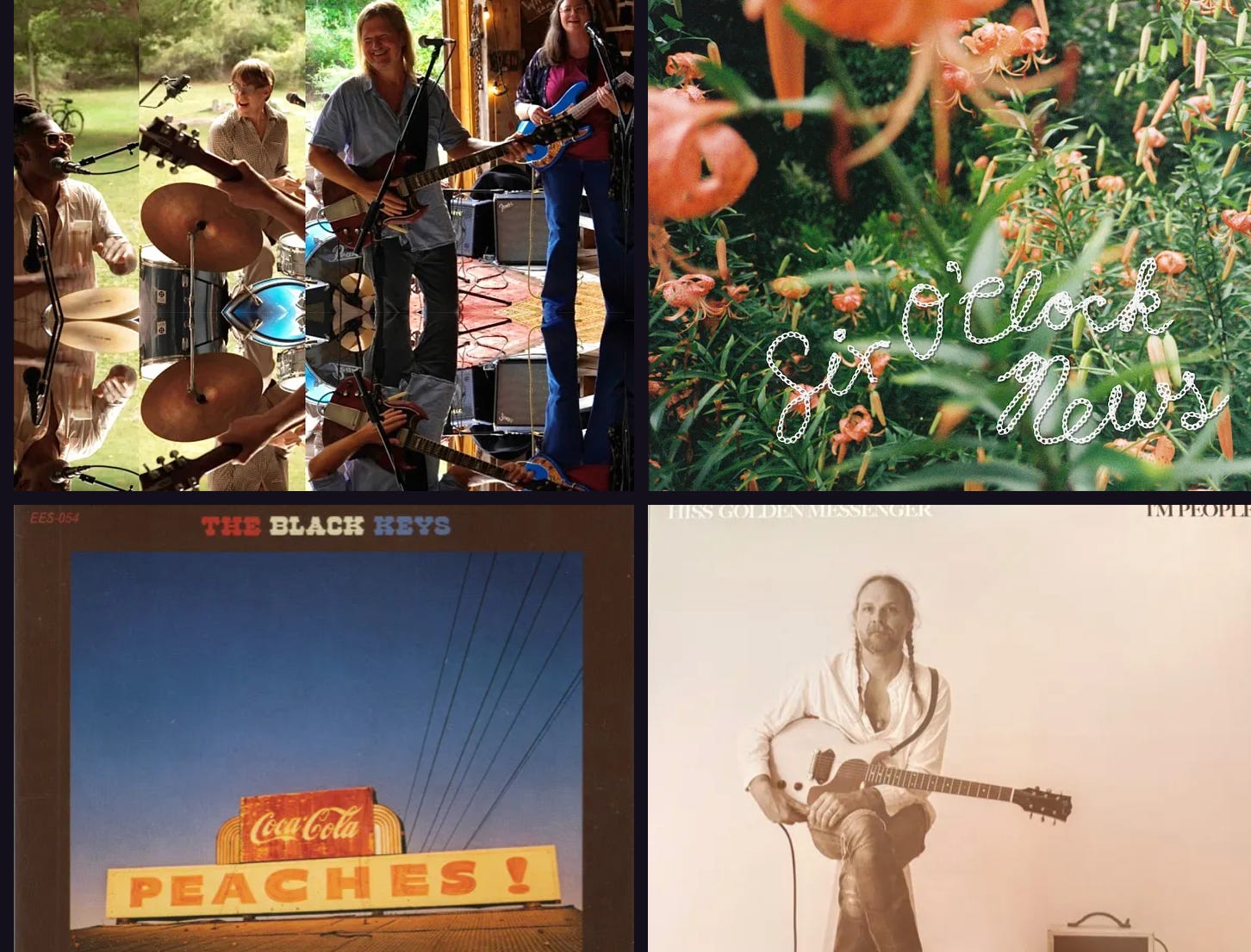
Here’s what’s on my mind this week…
Greg Humphreys & Friends - Fireplace Sessions Vols 1 & 2


If you spent any of your time in the 1990s in the North Carolina Triangle area, or if you were tuned into college and alternative radio anywhere at the time, or even if you’re just familiar with their Hootie and the Blowfish call-out on “Only Wanna Be With You,” you’re probably familiar with Chapel Hill’s Dillon Fence. They’re still around, thankfully, and still playing the occasional show, but most importantly, founding member Greg Humphreys is still hungry enough to keep searching for new sounds and avenues. Hence, the Fireplace Sessions.
From the very first bar of the nine-plus-minute opener, “We’re One,” Greg Humphreys and Friends transport you into a stress-free zone of funk, freedom, fun, and family. Fireplace Sessions arrives in two volumes, and both are equally essential for a breezy spring afternoon. In fact, it was recorded in a barn in Springs, NY (near the South Fork of Long Island). With a tight core outfit of Jason Ewald - drums and vocals; Stacy Werdin - bass and vocals; Marcus Farrar - congas, percussion, and vocals; and Humphreys handling guitar and vocals, Fireplace Sessions gives a communal vibe, one of life-affirming joy, while it also rocks out in its own laid-back way.
They tackle songs from throughout Humphrey's career, up to his recent solo work, and throw in a handful of covers that nail the spirit of the project. At one point, you hear the care-free laughter of children between songs; it’s a perfect encapsulation of this double-live experience. Fireplace Sessions is enough to help you set aside your worries for a spell, and we could all use that right now.
The Black Keys - Peaches!
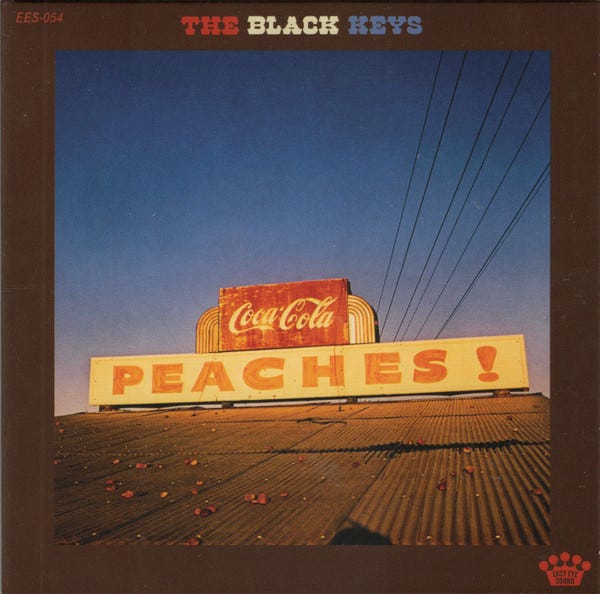
Yes, these guys can be insufferable in the press, but doggone it, who else in 2026 has such a high profile and uses it to celebrate down’n’dirty swamp rock, North Mississippi trance blues, and just balls-to-the-wall rock’n’roll? Adding Jimbo Mathus and Kenny Brown to the lineup deepens the Mississippi mud that surrounds this release. Their second all-covers album in the last few years, Peaches! is the Black Keys’s most raw and in-your-face album yet. Eat a peach for peace while you're cranking this at the cookout this summer.
Brennan Wedl & Waxahatchee - “Six O’Clock News”
Brennan Wedl and Katie Crutchfield team up for a take on this Kathleen Edwards song from 2002 that’s sadly just as relevant today. The bleakness of the lyrics is offset by the beauty of the performance, which only makes its message more powerful.
Hiss Golden Messenger - “Who You Gonna Run To?”
MC Taylor digs down into a track worthy of the Mad Dogs and Englishmen days. “Who You Gonna Run To” is celebratory and timeless, sounding like a long-lost Leon Russell outtake. It’s all about the vibes, man. From Hiss Golden Messenger’s exquisite new album, I’m People.
R.I.P.:
Dave Mason
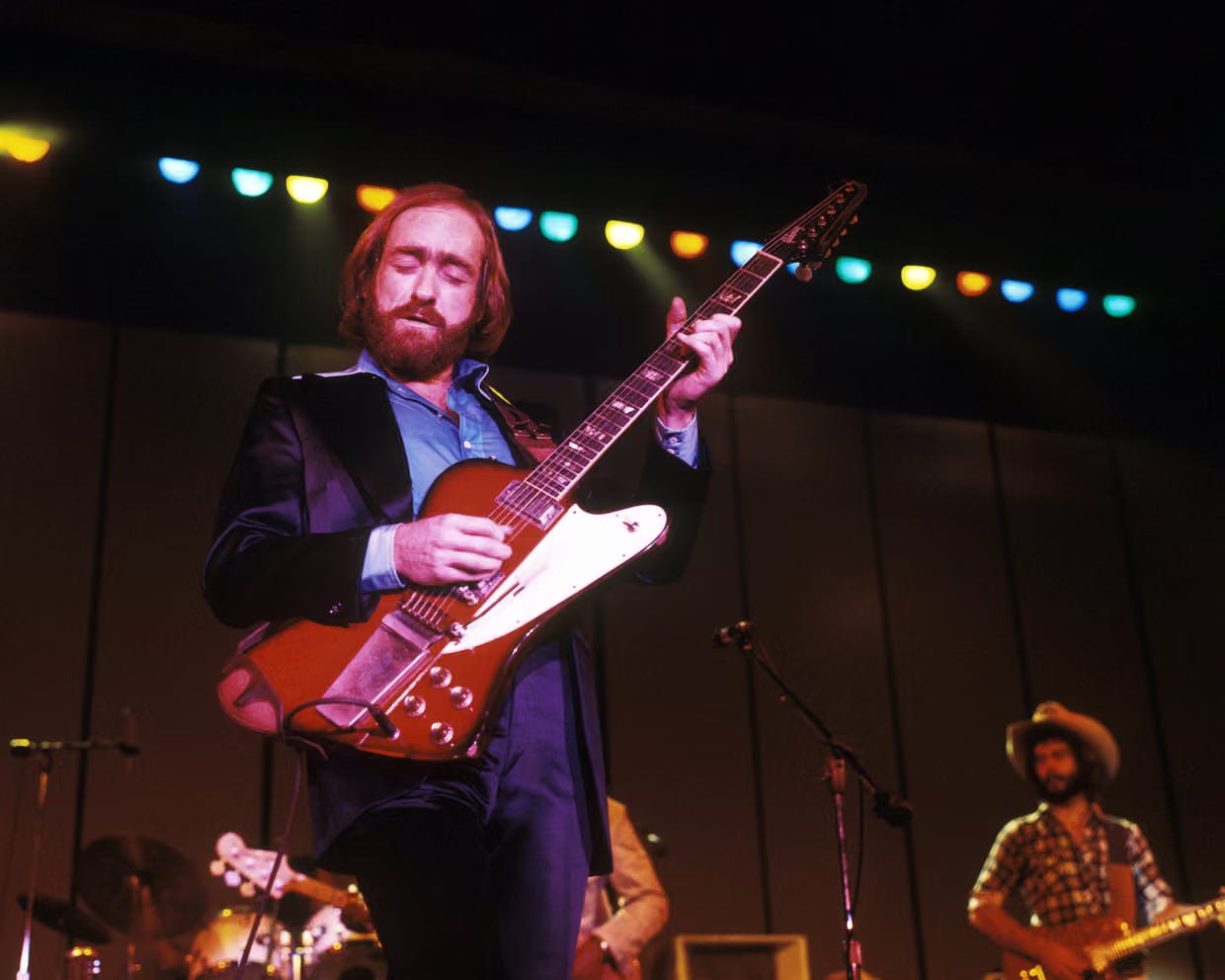
Dave Mason may never grace the Mount Rushmore of Rock, but his contributions to the form have been some of the most lasting. From penning an undeniable classic in “Feelin’ Alright” and helping lead Traffic through its early jazzy/proggy/psychedelic years, to touring alongside Delaney & Bonnie, releasing an all-out classic with his solo debut, Alone Together, and, later, hitting the pop charts with “We Just Disagree,” Mason has given us plenty to sing along to for years to come.
Don Schlitz
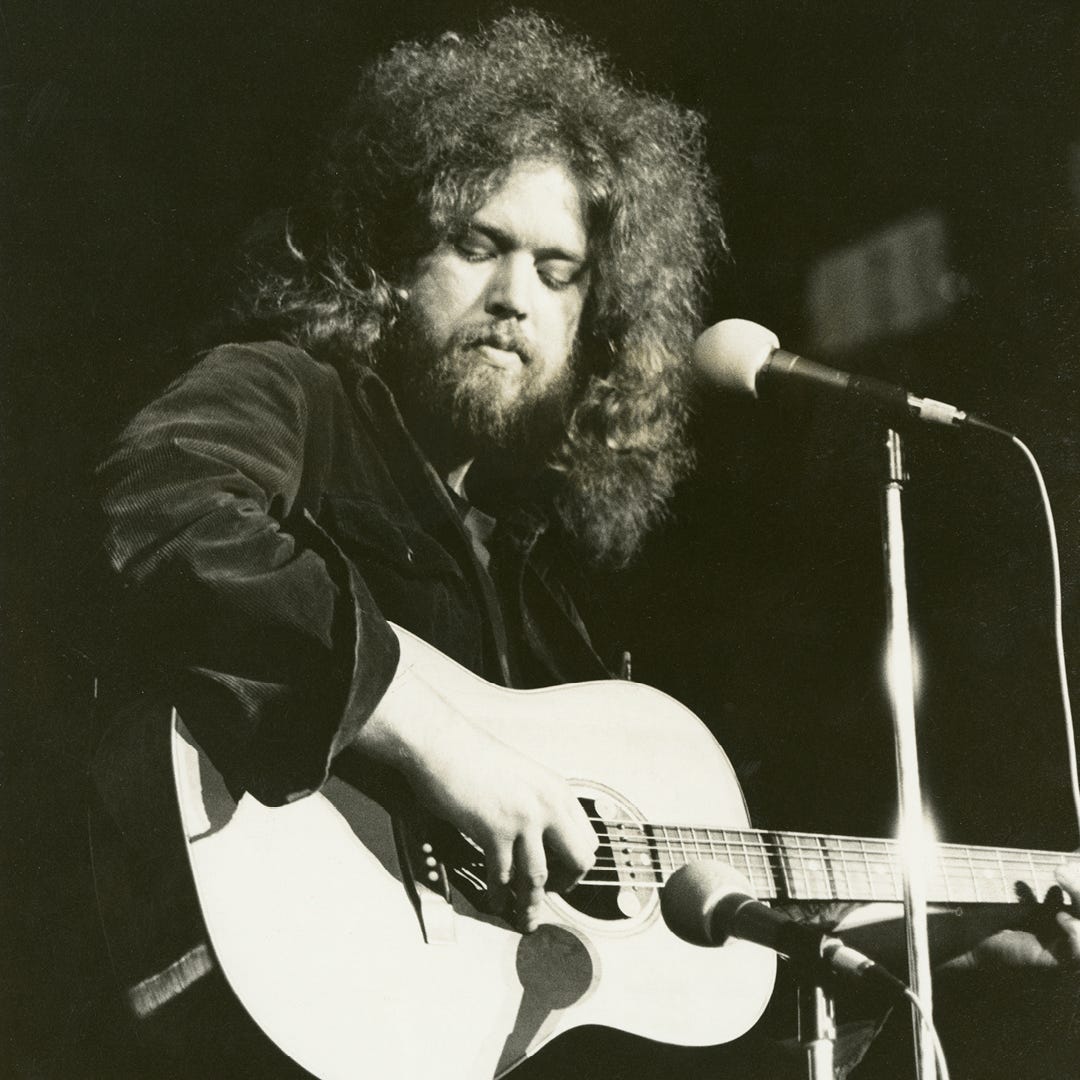
Durham, NC, where I was lucky enough to be born, is also the birthplace of Betty Davis, Loudon Wainwright III, John D. Loudermilk, and Don Schlitz, just for starters. Among them, Schlitz may have made the biggest dent in the culture, however. If he had just stopped at “The Gambler,” his legacy would be secure. Instead, he decided to dominate the country airwaves in the 1980s and ‘90s with a mess of songs he either wrote or co-wrote that country fans know by heart.
As far as mainstream country writing teams go, it was hard to beat Don Schlitz and Paul Overstreet in the late 1980s. Together, they were responsible for “On the Other Hand,” “Forever and Ever, Amen,” and “Deeper Than the Holler”—all by Randy Travis (and each from Travis’s first three albums), as well as “When You Say Nothing at All” by Keith Whitley, and later covered by Alison Krauss for a Keith Whitley tribute album but became a hit of her own.
Schlitz was also a frequent collaborator with Mary Chapin Carpenter. They worked together on three of her most classic songs—“I Take My Chances,” “I Feel Lucky,” and “He Thinks He’ll Keep Her”—all from 1992’s Come On Come On.
Schlitz had a way of not only fitting into the mainstream but also helping to define it. Yet he did so without sacrificing country music’s traditions. That’s the mark of a true craftsman.
David Allan Coe
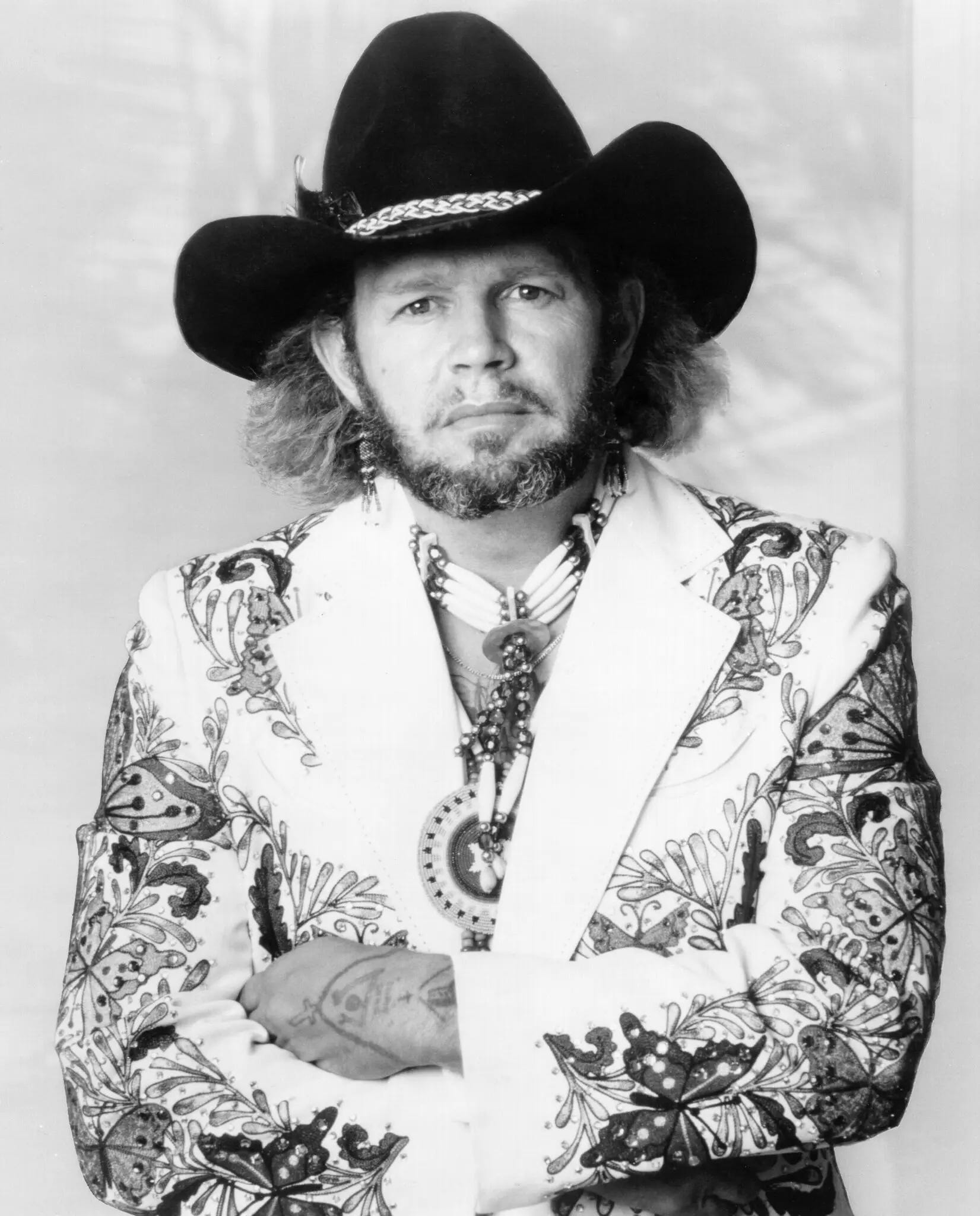
David Allan Coe just couldn’t get out of his own way long enough to achieve the lasting success and respect he so long craved. He spent most of his career—to borrow from Sarah McLachlan—building a mystery; from Mysterious Rhinestone Cowboy to Long-Haired Redneck to Outlaw biker. He also, not unlike Hank Williams, Jr, positioned himself among a crowd of legendary, rowdy friends in songs like “Willie, Waylon, and Me” (wherein he oddly proclaims to be from Dallas, Texas, when he actually hailed from Ohio), yet tellingly, neither Willie nor Waylon ever returned the favor in song.
In 1986, the title track from Coe’s album Son of the South (the cover of which found Coe embracing his infant son, Tyler Mahan Coe, draped in a Confederate flag) glorified the sound of Southern Rock in a sort of mashup of the Charlie Daniels Band’s “The South’s Gonna Do It” and Kris Kristofferson’s “If You Don’t Like Hank Williams.” It featured a guitar solo by Dickey Betts (we know this because Coe makes sure to yell out his full name beforehand). It was at that session where Betts met Warren Haynes, who by that point had spent most of the decade with Coe as his lead guitarist and backing vocalist. From that session lay the seeds for what became the Dickey Betts Band and—most importantly—the Allman Brothers Band’s successful second wind through the ‘90s and into the 2010s.
In 2003, Kid Rock repurposed “Son of the South” into “Son of Detroit” and included it on his self-titled album that same year. It was an album that tried to position Rock as a Southern Rocker, with an ear toward the heartland rock of Bob Seger (it even included a cover of a previously unreleased Seger song, “Hard Night for Sarah”). Rock and Coe had a co-write on that album as well (the self-pity-party, “Single Father”). It’s fitting that late in his career, Coe paired up with Kid Rock, another guy born up north who has spent most of his career fetishizing the South and schmoozing his way into sessions and shows occupied by much more talented artists.
Yes, Coe once recorded an “X-rated” album of juvenile, dirty, sexist, racist songs that was sold in the back of Easyriders magazine, through mail order, and under the counter in some less-than-reputable establishments. He tried to disavow it in his later years, saying he was “playing a character.” I guess he meant like the way Randy Newman did on “Sail Away,” “Short People,” and “Rednecks.” But let’s just say Coe’s stuff wasn’t quite as nuanced.
Still, he wrote a handful of all-timers, not the least of which, “Take This Job and Shove It,” became a country standard under Johnny Paycheck’s oversized hat. Yet even with his originals, Coe tended to, um, borrow a melody or two, as in the case of the aforementioned “Willie, Waylon, and Me,” which nicked CSN’s “Helplessly Hoping,” and—most famously—“Would You Lay With Me (In a Field of Stone),” which appropriated Townes Van Zandt’s “If I Needed You.” Coe was gifted with an expressive voice and was a strong interpreter of other writers’ work. Before George Jones wrapped his unmistakable pipes around “Tennessee Whiskey”—and more than a generation before Chris Stapleton paired its lyrics with the tune of “I’d Rather Go Blind”—Coe recorded the definitive version.
There’s been a lot of talk about “love the art, not the artist” of late. In fact, Daniel Moran has an excellent piece about that very subject on his Pages and Frames Substack. On that note, there’s no doubt that David Allan Coe was a frustratingly complicated character. He said and did some outrageous and appalling things, but so did many of the people who created some of our most enduring art.
Yes, Coe was a damn mess, and his own worst enemy. But in the end, I believe whether one chooses to still enjoy work created by someone less than admirable should be a personal choice. Life is not black and white. It comes in many shades—as do all of us. There have been colorful characters throughout history; what a boring place this would be if that were not the case.
Thanks for a great Mixtape selection! I’m recovering after appendicitis and the Hiss Golden Messenger song has just made the day 100% better 👏
Thank you Michael for some great new picks. They will reside on my new playlist, New Tunes from Michael Elliott, until the next batch comes thru.