
The Best of 1966
The British Invasion may have continued to grab headlines, but America fought back with soul shouters, garage rockers, country weepers, and the birth of the rock double-album.

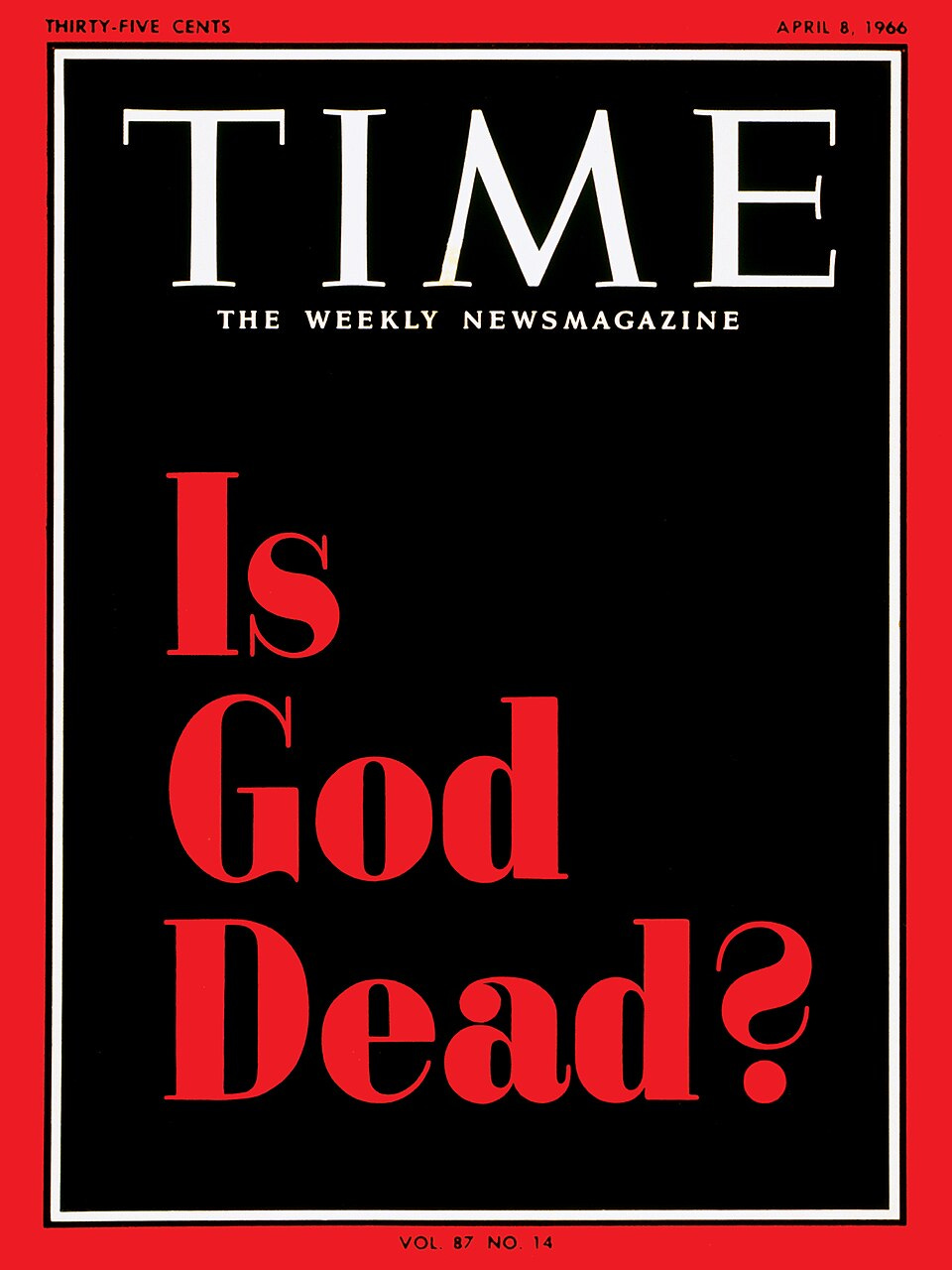
It was the year of increased activism and explicit pushback against the status quo; the US substantially increased the number of troops in Vietnam—up to 250,000 by spring—amping up protests throughout the nation; Richard Speck1 and Charles Whitman2 both revealed how dark the soul can get; LSD was made illegal; Huey P. Newton and Bobby Seale formed the Black Panther Party in Oakland a month before Ronald Reagan was elected Governor of California; the Oscars saw The Sound of Music and Doctor Zhivago battling it out, with five and ten noms respectively (Sound ultimately won Best Picture and Best Director); and John Lennon proclaimed that the Beatles were “more popular than Jesus,” prompting Time to ask:
TV and Film

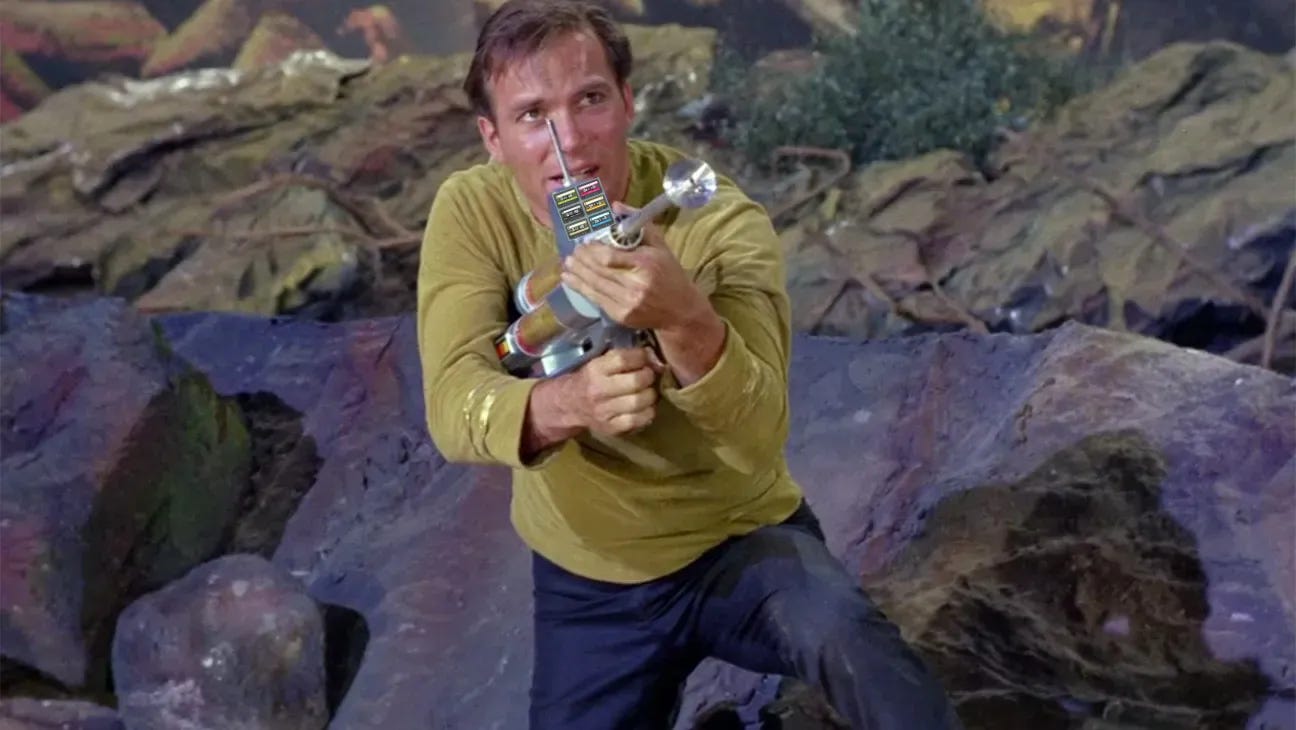
In September, Gene Roddenberry boldly went where no one had gone before and created a little show called Star Trek. Although it initially lasted only three seasons, it spawned numerous spin-offs, films, and while doing so, became a cultural phenomenon.

A few months earlier, ABC premiered a daytime soap opera that really sucked. Dark Shadows followed the shenanigans of one Barnabas Collins and his cohorts as they roamed around their mansion in Maine, many decades before What We Do in the Shadows set up shop in Long Island.

Shedding the Dark Knight image of the comics, Batman premiered on ABC in January and became classic camp.3 Adam West is still the best damn Caped Crusader, and I’ll stand on Christian Bale’s coffee table wrapped in my utility belt and say that.

Hey! Hey! The Monkees debuted, as did Marlo…

Long before he became a gladiator movie enthusiast, Peter Graves—along with Martin Landau, Steven Hill, Greg Morris, Barbara Bain, and others—chose to accept a mission, an impossible one at that, every week. (Graves didn’t join until the following season. Thanks for the reminder, Peter Holsapple. I’ll send you a toy airplane.)

It was also the year that saw the debut of two of our greatest and goofiest game shows.


Every afternoon when I got home from school, I wanted to watch my damn shows. Be it Sesame Street, Mister Rogers, the Electric Company, or, when I got a little older, my favorite cop show, Starsky and Hutch.4 The problem was that my uncle lived with us, and he loved Rat Patrol, which always seemed to be on whenever whatever I wanted to see was on. To me, all it looked like were a bunch of guys riding through the desert. It was the most boring nonsense in the world. I still despise this logo and intro to this day…

Meanwhile, on the big screen, the final—and best—part of Sergio Leone’s classic spaghetti western trilogy, The Good, The Bad, and the Ugly, splashed across theaters everywhere, powered by Ennio Morricone’s unequaled score. To me, the film is bested only by Leone’s own Once Upon a Time in the West, a couple of years later.

Don Knotts starred in the greatest role of his career that wasn’t Barney Fife….

…while a young hotshot country singer makes his film debut.

And who can forget Thunderbirds Are Go!?

…or Raquel Welch’s fur bikini?

The Music
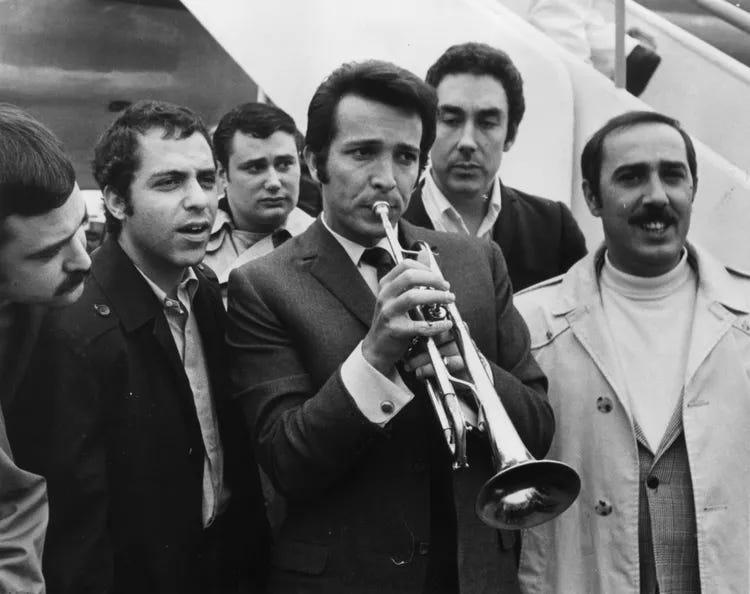
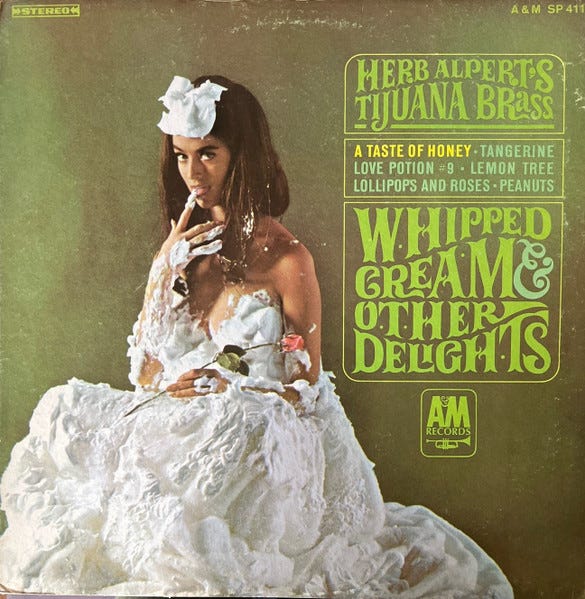
Sure, there was a British Invasion in the mid-’60s, but by 1966, there was also a Tijuana takeover. By summer, Herb Alpert and his Tijuana Brass ruled the Billboard albums chart, with no less than three albums in the Top Ten: What Now My Love, Going Places, and the ubiquitous Whipped Cream and Other Delights, which became the biggest-selling album of the year (even though it was actually released in spring of ‘65). I’m sure the cover didn’t hurt.
Sgt. Pepper's Lonely Hearts Club Band, released in the spring of 1967, is considered ground zero in the “album as an art form” debate, as the majority of LPs before then were more collections of singles, covers, and filler. But there’s a strong argument for 1966 as well. It was the year, after all, of the Beatles’ own Revolver and the Beach Boys’ Pet Sounds, as well as Blonde on Blonde and Freak Out!—two double LPs that explored and expanded the possibilities of the rock album as an extended art form.
Speaking of Dylan, the Minnesota Bard may have “gone electric” in July of 1965 in Newport, but in 1966, with his new backup group (soon to be named The Band) in tow, he took that electric show on the road. As Robbie Robertson later said, “I didn’t know of anybody in history that toured the world and got booed every single night.”5 By July, Dylan would be injured in a motorpsycho nightmare, two years after singing about one, setting up the next phase of his career, and ultimately, rock music in general.
Meanwhile, Jimmy Page joined The Yardbirds, initially on bass, but soon switched to guitar, just in time to trade licks with Jeff Beck in a cameo in Michelangelo Antonioni’s Blow Up.6
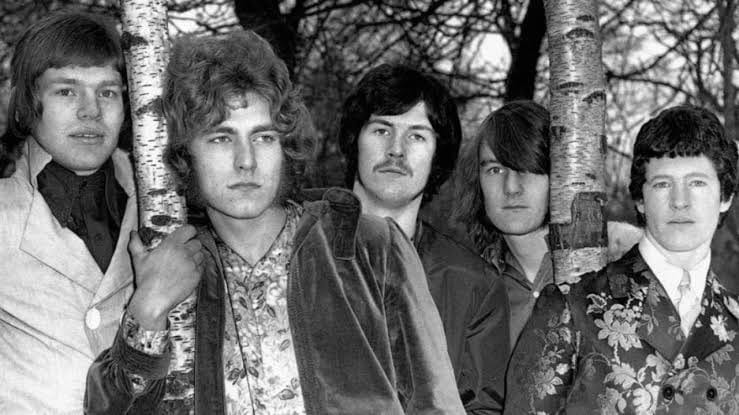
Coincidentally, in 1966, the Band of Joy formed near Birmingham, England, which included a young Robert Plant and John Bonham.
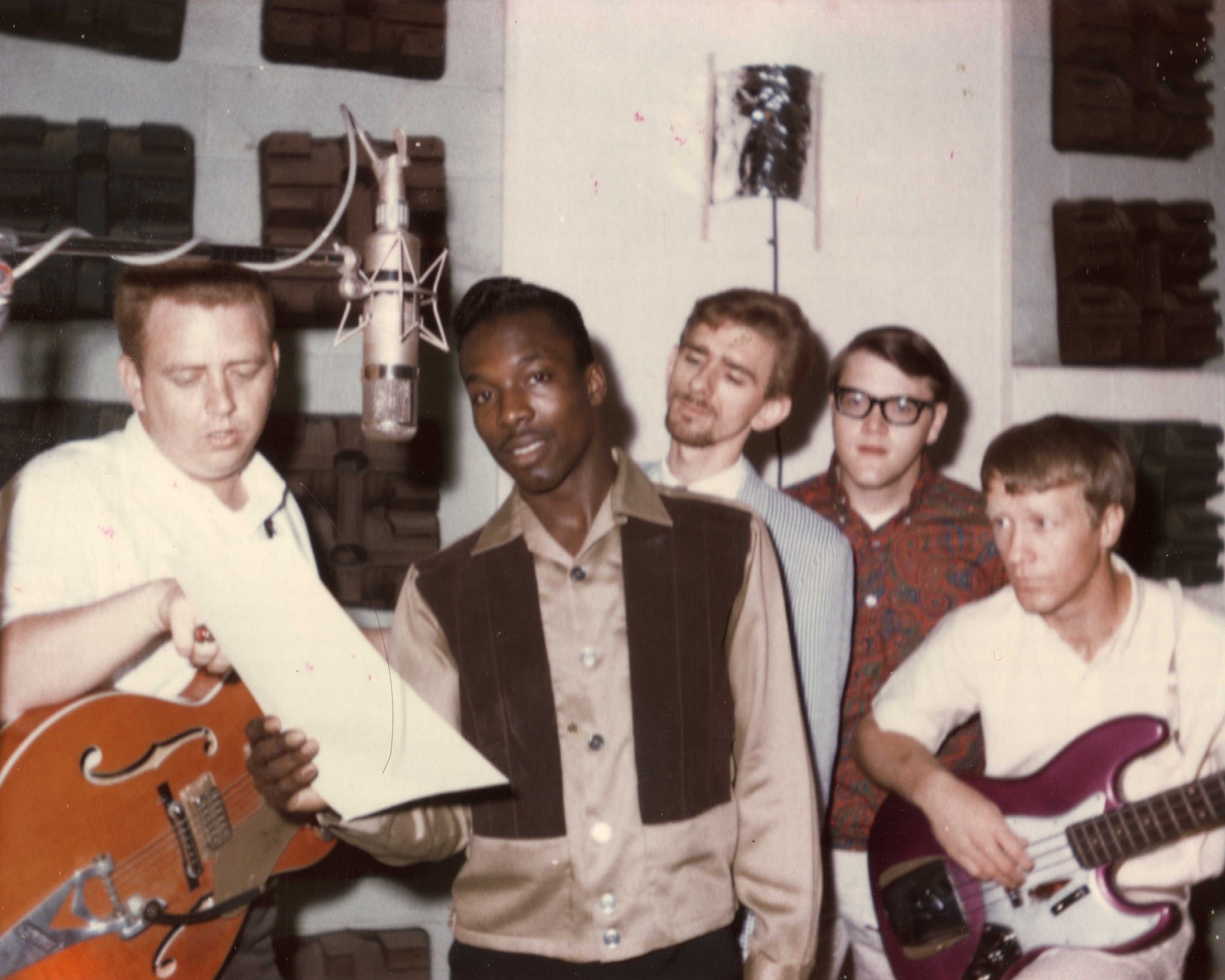
Still, the most exciting music happening in 1966 was Soul. From Hitsville to Soulsville, the year saw the release of a mountain of classics. “When a Man Loves a Woman,” “Ain’t Too Proud to Beg,” “In the Midnight Hour,” “Reach Out, I’ll Be There,” and others crossed over from R&B onto the pop charts, fighting against the British Invasion with powerful vocals, arrangements, and songwriting that rivaled anything coming from across the pond, or anywhere else.
Finally, two 45s that hit shelves in December of ‘66 hinted at where music was headed. A young guitar slinger from Seattle with a long list of credits already under his belt (as well as time spent in the 101st Airborne7) released his first single in the UK. “Hey Joe,” already a staple for many folk artists over the last few years, became Jimi Hendrix’s (and the Experience’s) introduction to most of the world, and set a course for his immortality.
Meanwhile, Tom Wilson, who’d worked with the Mothers of Invention, Simon and Garfunkel, and the Animals that same year, was producing the final session for a new group called the Velvet Underground. “Sunday Morning” was a haunting listen, but it sounded not too out of line for a pop song in 1966. It did little to prepare listeners for the rest of the album (released in March of the following year).8


The Best of 1966
What follows are 20 albums plus 20 honorable mentions I either grew up with or discovered at various points over the years, followed by a Mixtape of 66 songs that pull from this list and 26 more albums and/or singles at least worth mentioning. If you don’t see a favorite, feel free to let me know in the comments.
Otis Redding - Complete & Unbelievable: The Otis Redding Dictionary of Soul
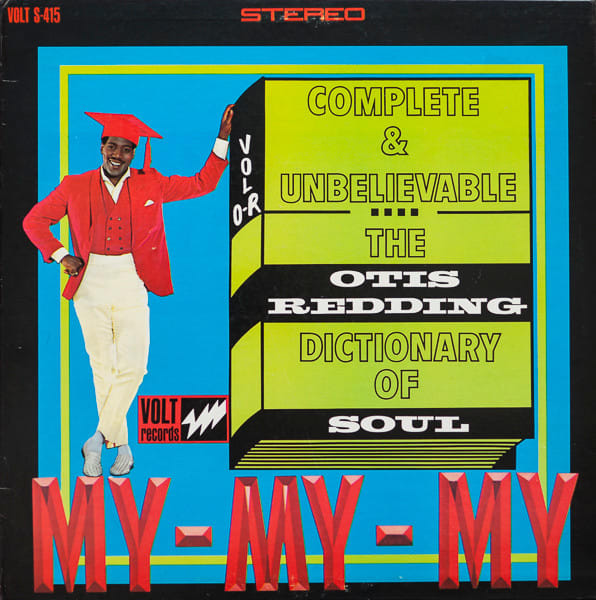
When an album launches with “Fa-Fa-Fa-Fa-Fa (Sad Song),” includes “Try a Little Tenderness,” and “My Lover’s Prayer,” it’s hard not to categorize it as one of the best soul albums of all time. Add inspired interpretations of everything from the Beatles to Patti Page (“Day Tripper” and “Tennessee Waltz,” respectively), and the competition narrows even more. Otis gave us his all in just a few short years, but if he’d only left us with this Dictionary of Soul, it would have been more than enough.
Merle Haggard and the Strangers - Swinging Doors and the Bottle Let Me Down
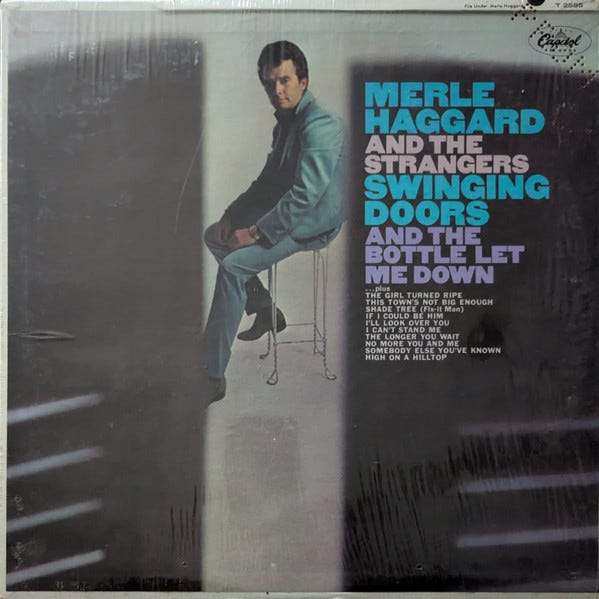
Like most albums of its time, Swinging Doors / The Bottle Let Me Down, as its title suggests, was more a collection of singles and filler than a long-playing statement. Still, the Hag’s third album, co-credited with his group, The Strangers, contains enough stellar material that it pointed the way to the many masterpieces to come.
John Mayall and the Bluesbreakers - With Eric Clapton (or, Beano)
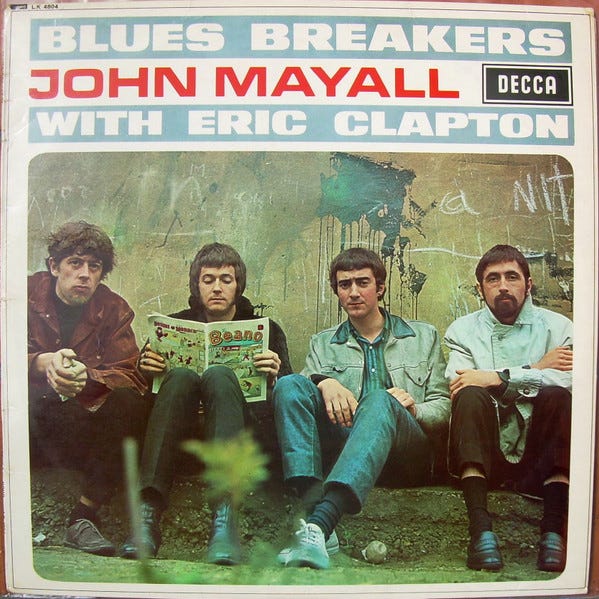
Eric Clapton high-tailed it from the Yardbirds because he wanted to dig deep down into the blues. He soon found a kindred spirit in the father of English blues, John Mayall. Together—along with John McVie on bass and Hughie Flint on drums—recorded one of the most important blues albums by a group of white guys. While it pales in comparison to the likes of what was coming out of Chicago on the Chess and Delmark labels, it still came across as raw and visceral, and—along with the Stones, the Animals, and, yes, the Yardbirds—it helped introduce a generation of pigmentally challenged kids to the blues, for better and worse.
Cream - Fresh Cream
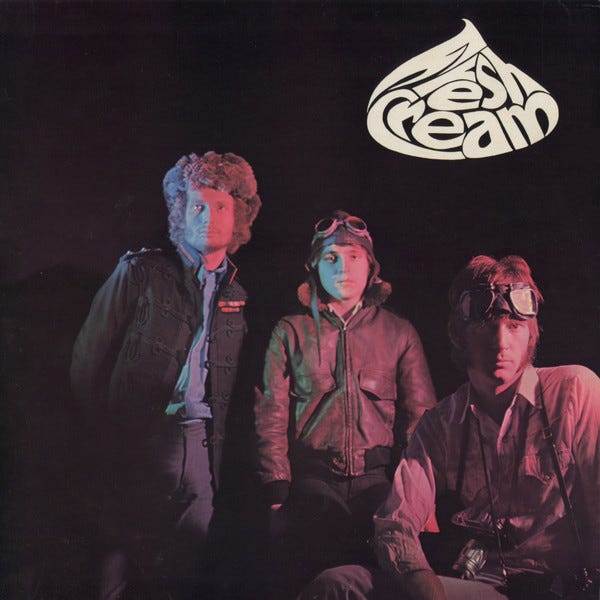
Released at the end of 1966, Fresh Cream signaled the debut of the first “power trio.” The album acted as the bridge between the blues (that Clapton had just explored with Mayall months earlier) and hard rock—even heavy metal—that would define much of rock music well into the 1970s and beyond. From the extended jam on Willie Dixon’s “Spoonful” and the standard “Rollin’ and Tumblin’” to their re-imagining of Skip James’s “I’m So Glad,” and measured take on Robert Johnson’s “From Four ‘til Late” (the second Johnson song Clapton recorded that year), their draw to the blues was obvious. However, there was also a strong pop and psychedelic side, as when Jack Bruce and Ginger Baker share equal space along with Clapton on “Toad.”
Slim Harpo - Baby, Scratch My Back
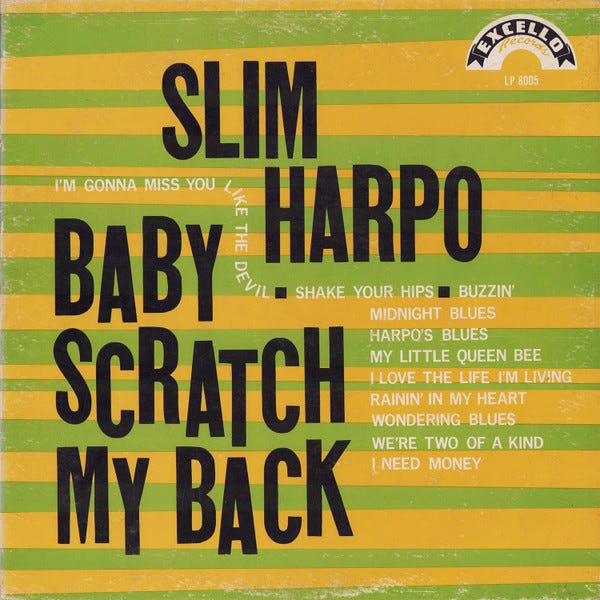
The title track was released in ‘65, but it hit number one on Billboard’s R&B chart in ‘66, coinciding with this album’s release, which also included the relentless groove of “Shake Your Hips,” that Stones fans would know from the version on Exile on Main St. The title track here is still one of the sexiest songs ever pressed to wax, while “Midnight Blues” and “Buzzin’” helped prove that Slim Harpo was the undisputed king of swamp blues.
Rolling Stones - Aftermath
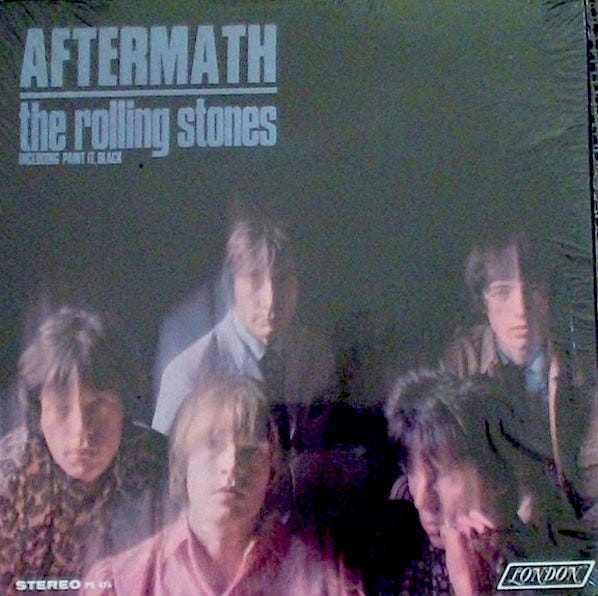
Speaking of the Stones, like most of their early albums, Aftermath featured a different track listing/order in the UK than in the US. We can argue about whether the one that kicks off with “Mother’s Little Helper” (UK) or the one with “Paint It Black” (US) was the better set, but either way, Aftermath stands as one of the best and most consistent albums of their first decade.
13th Floor Elevators - The Psychedelic Sounds Of The 13th Floor Elevators
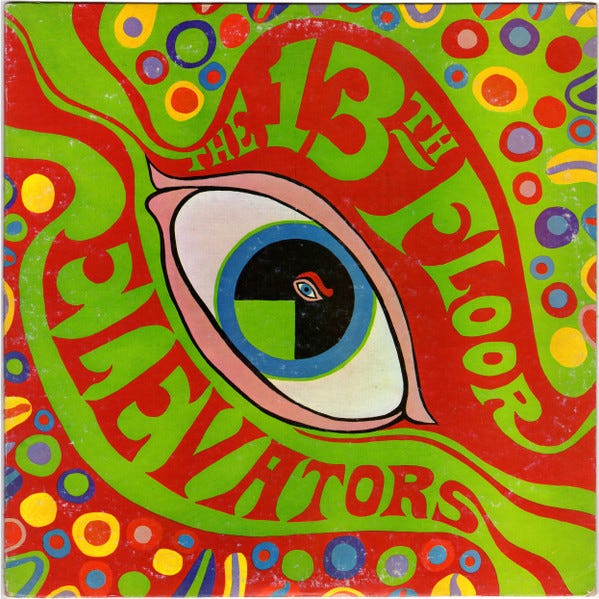
You want psychedelic music? Well, it’s right here in the title! Self-awareness aside, this platter of Texas-bred acid rock burst forth from the imagination of Roky Erickson, whose spontaneous yet well-placed squalls and guitar noodling were supported by Tommy Hall’s groovy electric jug. Turn on, tune in, trip out.
Nina Simone - Wild is the Wind
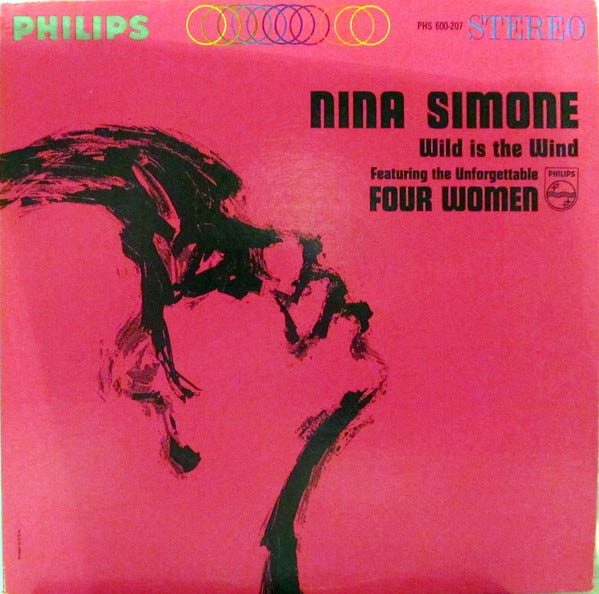
As far as albums of leftovers go, you could do worse than Wild is the Wind. Made up of songs recorded from previous sessions, Simone’s third release in 1966 sounds as cohesive and consistent as if its contents were all recorded in one day. Among the treasures are the captivating title track, her arresting take on “Black is the Color of My True Lover’s Hair,” and the devastating “Four Women,” which boasts Simone at her most chillingly powerful.
The Butterfield Blues Band - East-West
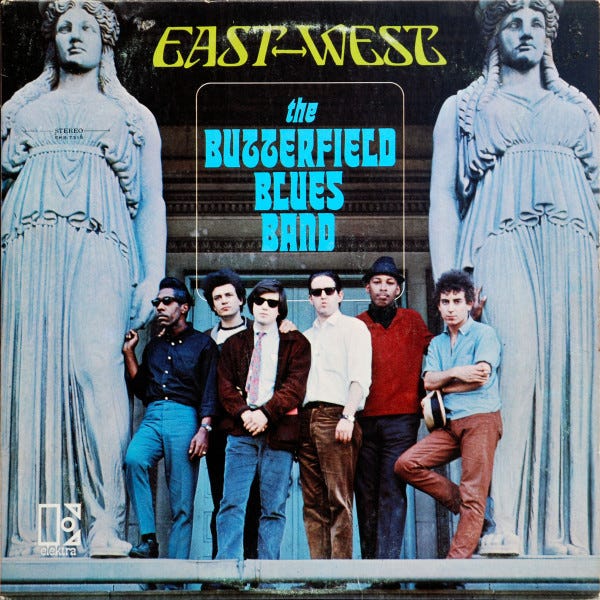
Following up their influential debut, The Paul Butterfield Blues Band doubled down on the blues by expanding it on East-West. White-boy blues moved into psychedelic, even jazzy territory as they placed an ear to the future, especially on the forward-looking epic title track.
Wilson Pickett - The Exciting Wilson Pickett
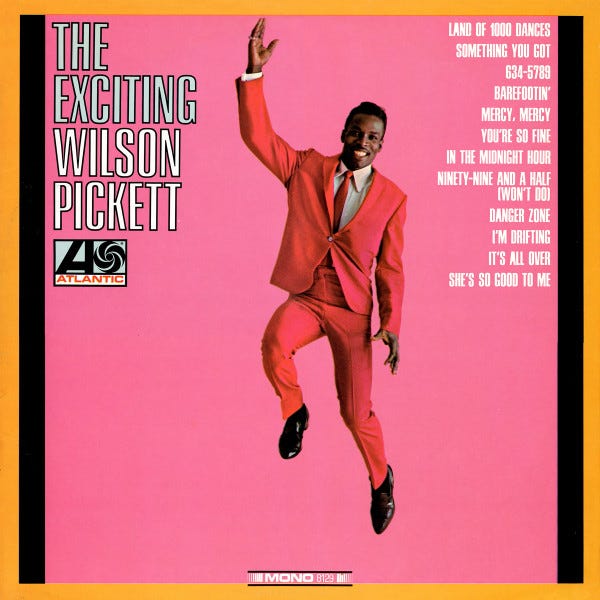
Talk about truth in advertising. The Wicked Pickett was never not exciting. It didn’t matter if it was a heart-wrenching ballad or a dance floor-packing raver; he always commanded the complete attention of the listener. The Exciting Wilson Pickett found soul music’s greatest shouter at the very peak of his powers, backed by the Swampers and a peerless set of classics, soul rarely—if ever—sounded better.
The Mothers of Invention - Freak Out!
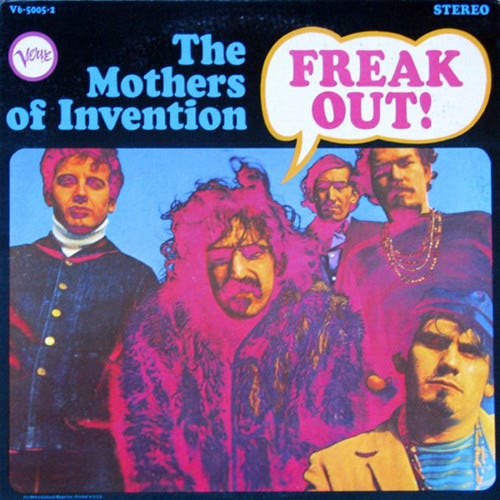
If this album just boasted “Trouble Every Day,” it would be seen as prescient sixty years on, as, sadly, the topics covered in it are still filling our news feeds, well, “every day.” But Freak Out! is so much more. One of the first double LPs of the rock era (Blonde On Blonde made it to record stores a mere week before), Zappa’s first stands as one of the most daring debuts of the ‘60s or any era, as it skewered not only the “plastic people” and squares of society, but the counter-culture as well.
The Yardbirds - Roger the Engineer [UK] / Over Under Sideways Down [US]


Whether you go for the UK (on the left) or US version, the first Yardbirds album featuring Jeff Beck (and their first of all original material) displayed a band stretching past their blues roots into psychedelic and eastern musical influences, pointing the way to an entirely new direction that a whole new generation would soon embrace.
Bob Dylan - Blonde On Blonde
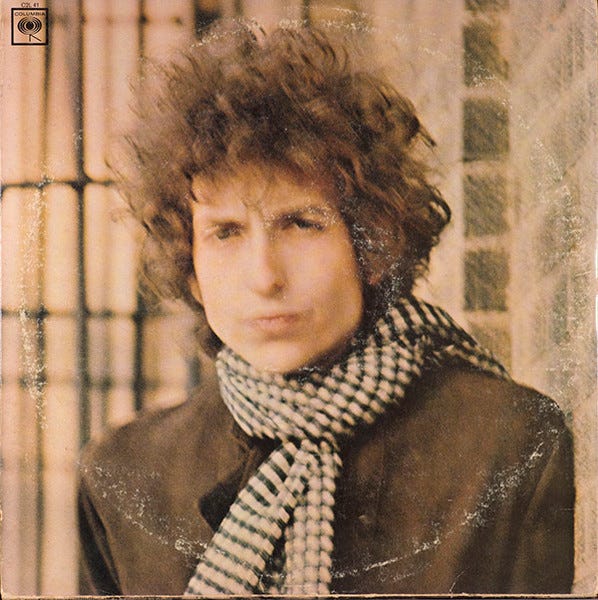
Not one song is less than classic, not one performance is less than inspired. It’s that “thin wild mercury sound” of Dylan at its most, well, mercurial. Then he crashed. Literally.
The Beach Boys - Pet Sounds
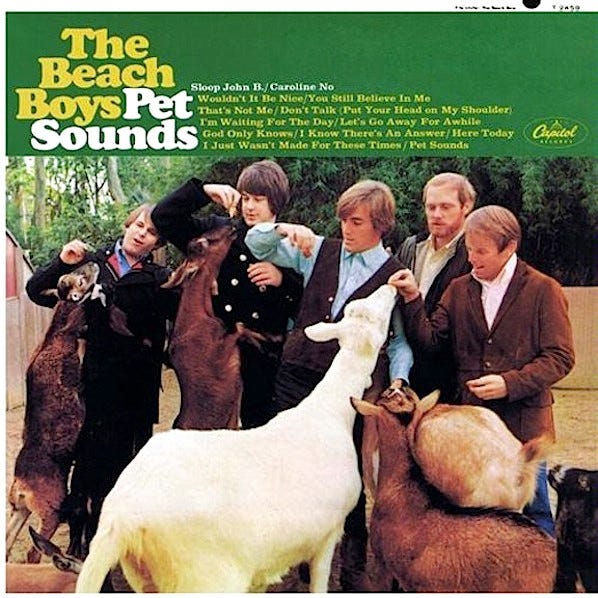
“Good Vibrations” is one of the greatest singles of the rock era, and it’s not even on what many cite as the greatest album of the rock era. That’s just how the Beach Boys were rolling back then. Brian Wilson’s creativity was seemingly boundless; even the Beatles were racing to keep up.
The Sonics - Boom
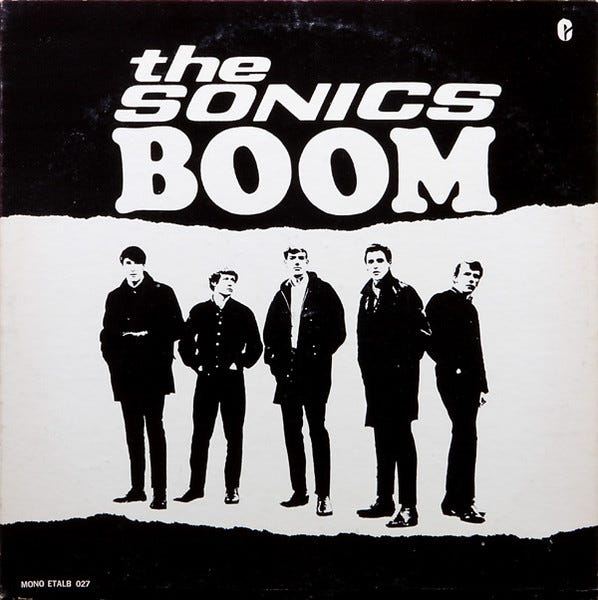
Tacoma, Washington’s The Sonics were a blast of glorious garage noise in the mid-’60s. Following up the primal punk energy of their debut was no easy feat, but The Sonics somehow made it happen with the perfectly-titled Boom. From the frenetic opener, “Cinderella,” to the VU-crashing intensity of “Shot Down”—they even made “Louie Louie” sound trashier than the Kingsmen—there’s no other way to play this but loud as hell.
Simon & Garfunkel - Parsley, Sage, Rosemary and Thyme
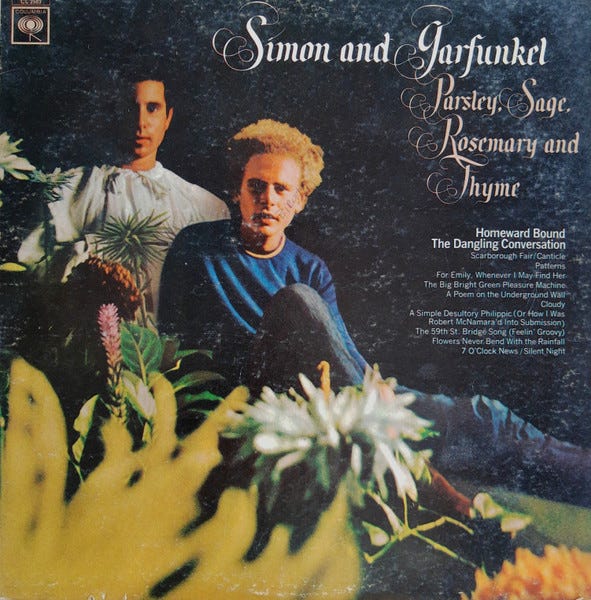
Equal parts achingly beautiful (Scarborough Fair), introspective soul-searching (“Homeward Bound” - a road song long before “Turn the Page” or “The Load-Out”) obnoxiously pretentious (“The Dangling Conversation”), and smugly Dylanesque (“A Simple Desultory Philippic”), Simon & Garfunkel’s second classic release in 1966 bests Sounds of Silence by just a hair atop Art’s curly head.
Red Simpson - Roll, Truck, Roll
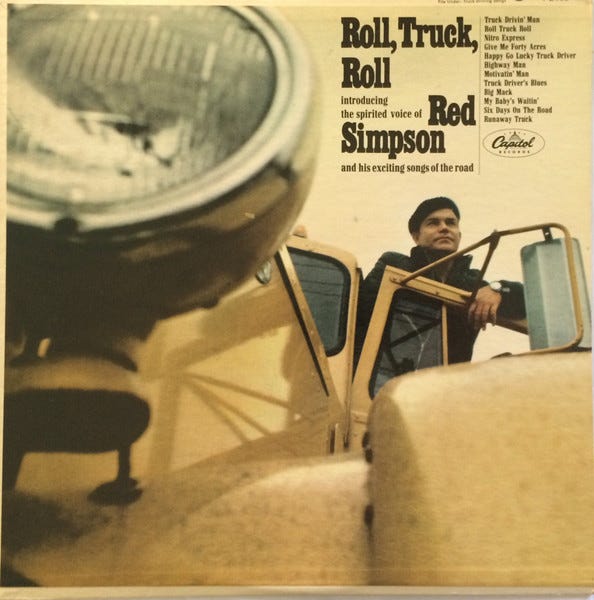
There’s probably not a better truck drivin’ song than “Truck Drivin’ Man,” but I always thought it was hilarious that he calls the waitress over to tell her that the song on the jukebox sure does fit him, ‘cause he’s “a truck drivin’ man.” I can just imagine the waitress’s expression and response (“Um, ok?”) as she’s trying to fill orders in a crowded truck stop, while this guy’s probably not even a good tipper. Still, Red Simpson’s Roll Truck Roll is what you need on a long haul from the Carolinas to California while you’re dodgin’ scales, poppin’ pills, and keepin’ ol’ Smokey off your tail.
The Mama’s and the Papa’s - If You Can Believe Your Eyes and Ears
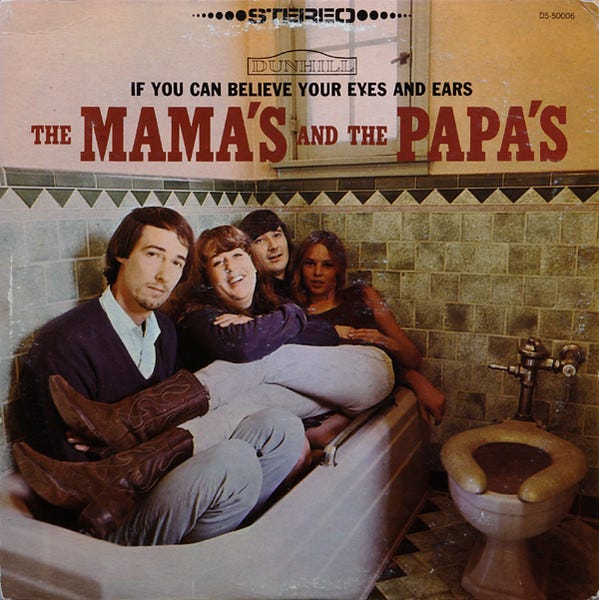
For modern ears, it may be easy to dismiss the Mamas & the Papas as square pop singers that didn’t quite fit in with the counterculture that was coming of age in the mid-’60s. In fact, however, they were at the forefront of it, with John Phillips helping organize the groundbreaking and era-defining Monterey Pop Festival just a year later. To that end, their debut proved that one didn’t need “Beatles” in their name to deftly mix pop, soul, folk, and rock.
The Kinks - Face to Face
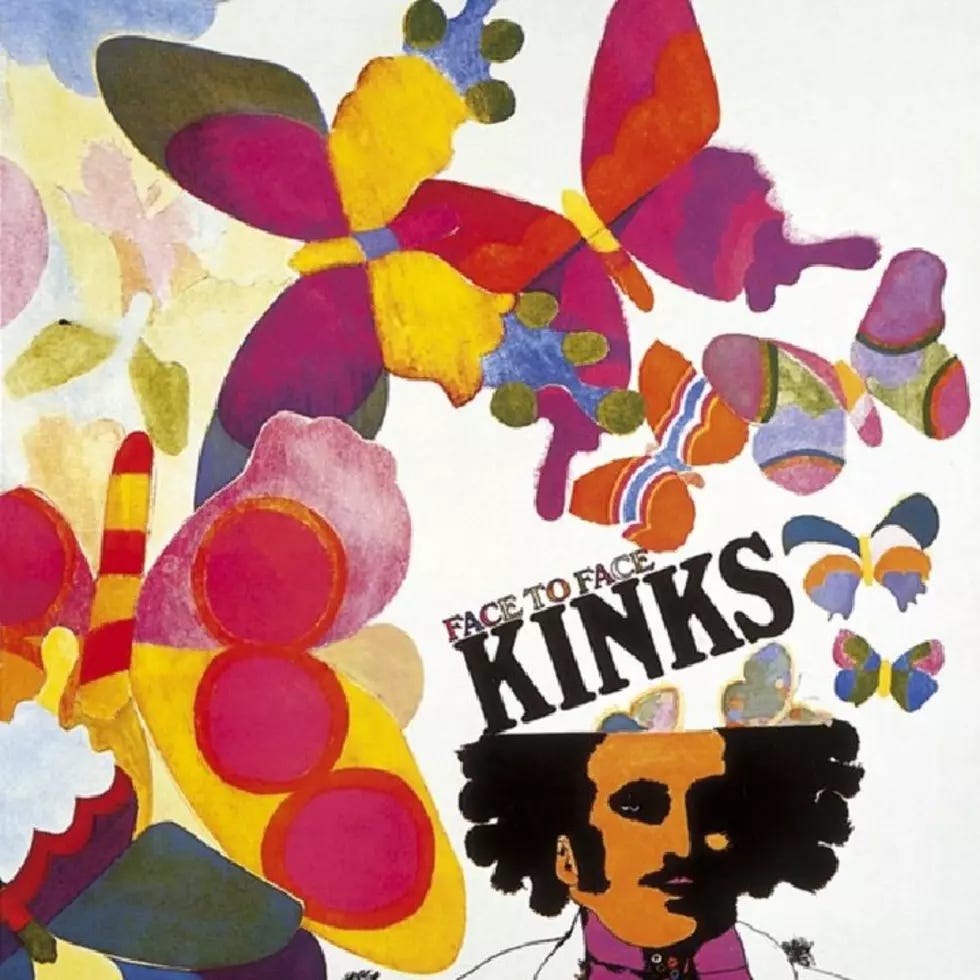
Like many artists’ work in 1966, Face to Face signaled the Kinks’ turn from mainly a singles band into a more album-oriented one. While the Who was still working their way into the rock opera world (with that year’s A Quick One), the Davies Brothers were busy constructing one of rock’s first concept albums, detailing Ray’s enhanced character studies and his growing fascination with England’s class system. Although their material would deepen over the next few years, Face to Face was the Kinks’ biggest leap forward in the shortest amount of time.
The Beatles - Revolver
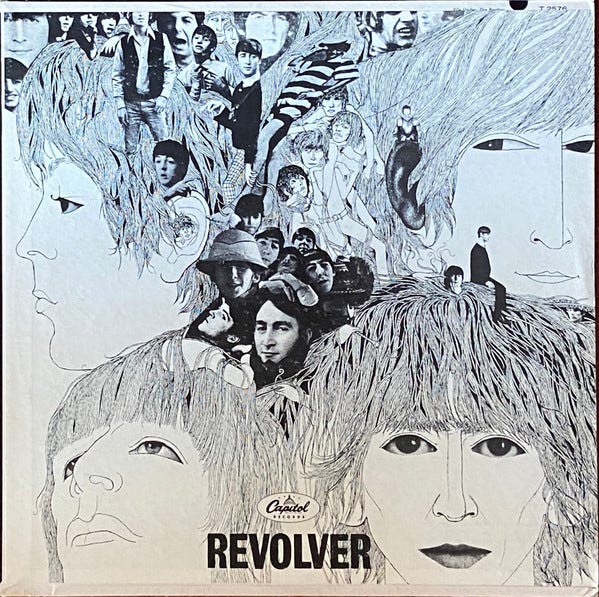
In 1966, the Beatles said goodbye to the road to focus on the studio, and we were all the better for it. Revolver is the sound of the world’s greatest band at the top of its powers, searching—and finding—innovative sounds and breaking new ground in real time.
Honorable Mentions:
Frank Sinatra - Sinatra at the Sands
Roger Miller - Words and Music
The Supremes - I Hear A Symphony
Paul Revere and the Raiders - Midnight Ride
Wayne Shorter - Speak No Evil
The Remains - The Remains
Love - Da Capo
The Temptations - Gettin’ Ready
Small Faces - Small Faces
Sam & Dave - Hold On, I’m Comin’
Neil Diamond - The Feel of Neil Diamond
Them - Them Again
Marvin Gaye - Moods of Marvin Gaye
Buffalo Springfield - Buffalo Springfield
The Seeds - The Seeds
Lee Hazelwood - The Very Special World of Lee Hazelwood
Lee Dorsey - The New Lee Dorsey
The Monkees - The Monkees
Sergio Mendes - Herb Alpert Presents Sergio Mendes & Brasil ‘66
The Byrds - Fifth Dimension
The Big 66 from ‘66 Mixtape:
Now, for all of the above plus 16 more, here’s a Mixtape of The Big 66 from ‘66. You’ll see/hear some tunes from albums that almost made the list, as well as a few well-worn pop favorites. As always, the following Mixtape was carefully sequenced to maximize enjoyment, but if you’d rather just hit “shuffle,” feel free. (Although I will be over here silently judging you.)
If you see any of your favorites missing, please let me know in the comments. No matter how much time I put into these things, I always miss something obvious. It’s maddening.
One more program note: Yes, there’s a Spotify playlist embedded here, but I’m also offering a way at the link below to listen on the streaming service of your choice.
Click here to listen on your preferred listening service.
Further Reading:

Speck murdered eight student nurses in their Chicago dorm on the evening of July 17th.
On August 1st, Whitman climbed up to the top of the tower at the University of Austin and, for 96 minutes, opened fire indiscriminately, ultimately killing 13 and wounding 31.
I met Burt Ward—in full Robin regalia—at Al Sandling Chevrolet in Raleigh, NC, when I was a kid. Scored a signed 8x10 glossy. It was my first time meeting a celebrity…and my first time in a car dealership.
I obsessed over that Gran Torino.
https://guitar.com/features/interviews/robbie-robertson-on-bob-dylan-chuck-berry-martin-scorsese/
Beck left the ‘Birds at the end of November, setting up both guitarists to release landmark hard rock albums within a year of each other: Beck with Truth, and Page with Led Zeppelin, which included Plant and Bonham from the Band of Joy, of course.
https://www.military.com/veteran-jobs/career-advice/military-transition/famous-veterans-jimi-hendrix.html
I didn’t include these two singles in the “Best 66 of ‘66” Mixtape because, well, they’re more associated with ‘67, and, frankly, the Mixtape was already full.
Lots of work went into this. Great post !
A fantastic review! It was a great time to be alive and a pre-teen.
By the way, re: Mission Impossible — Steven Hill was the leader of the team for the first season, but left the show because the shooting schedule meant he would have to work late on Friday and on Saturday. Hill did not roll on Shabbos. A hero to Jewish boys, almost like Sandy Koufax but not quite.